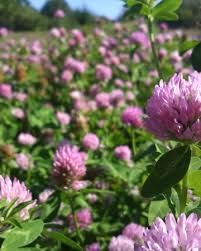
WMS Dynamite Red Clover
$149.00
Sold out
Size
Please choose
Sold out
Product Details
For the best results with a dynamite red clover food plot in Central Alabama, plant in the fall between September and November, after first conducting a soil test and preparing a firm, clean seedbed. This timing ensures the clover can establish itself in cooler, wetter conditions and avoid heavy weed competition.
Step 1: Conduct a soil test
A soil test is the most important step for success and is available for free from any Alabama Extension office.
Ideal pH: Red clover thrives in soils with a pH of 6.0 to 6.5.
Nutrients: The test will determine the specific amounts of lime, phosphorus, and potassium needed for optimal growth. Add lime as necessary to adjust the pH.
Step 2: Prepare the seedbed
A clean, firm seedbed is essential for good seed-to-soil contact.
Kill weeds: Use an herbicide like glyphosate to kill all existing vegetation two to six weeks before planting.
Till the soil (optional): If you are not no-till planting, disk or till the plot to break up clods and create a smooth surface.
Firm the seedbed: Before planting, run a cultipacker over the plot. This compacts the soil, creating a firm, uniform surface that prevents seeds from being covered too deeply.
Step 3: Inoculate and sow the seeds
Inoculate: Red clover is a legume, so you must inoculate the seeds with the correct Rhizobium bacteria before planting. This allows the clover to "fix" its own nitrogen from the air.
Sow rate: A typical broadcast rate for red clover is 15 pounds per acre, but follow the specific instructions on your seed bag.
Sow method: Use a hand-operated, ATV-mounted, or tractor-pulled broadcast spreader to distribute the tiny seeds evenly. To ensure even coverage, some hunters mix the seed with lime or fertilizer.
Step 4: Ensure seed-to-soil contact
Shallow depth: Red clover seeds should not be covered more than ¼ inch deep. Deeper planting can prevent germination.
Cultipack again: After broadcasting the seed, run the cultipacker over the plot a second time. This presses the small seeds into the soil surface, ensuring excellent seed-to-soil contact, which is critical for germination.
Let rain help: If rain is in the forecast, you can let it wash the seeds into the surface of the soil. However, a final cultipacking is the safest option to ensure a successful plot.
Save this product for later
Have questions?
WMS Dynamite Red Clover
Powered by Lightspeed
Display prices in:USD