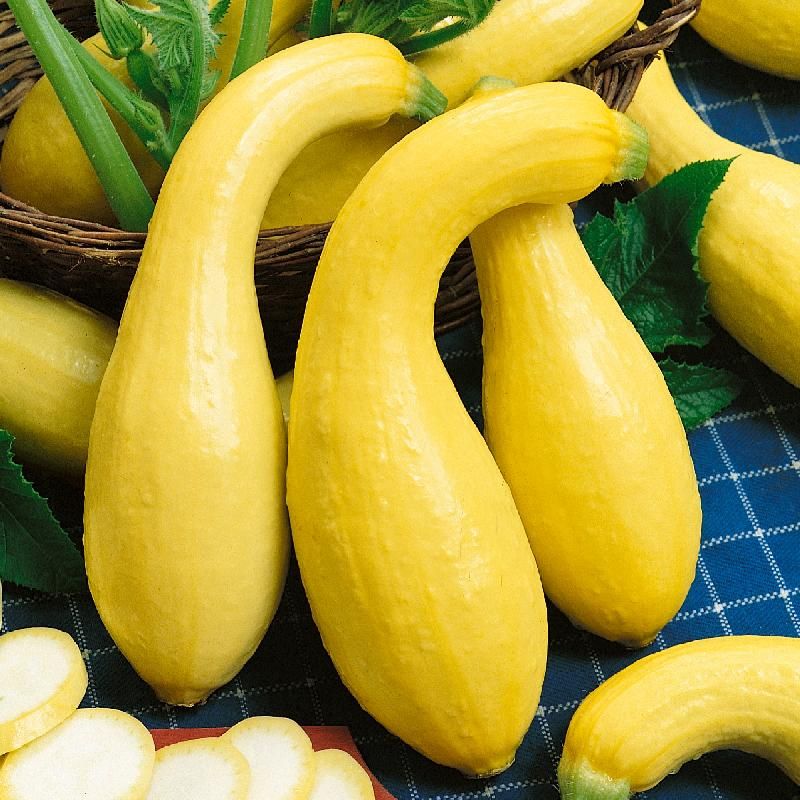
Early Summer Crookneck Squash 1lb Bag
Share
$36.00
In stock
Have questions?
Product details
Planting Instructions
- Timing: Direct-sow seeds outdoors after the last frost date, when the soil is reliably warm (above 70°F).
- Location: Choose a site that receives a minimum of 6-8 hours of direct sunlight per day.
- Soil Prep: Incorporate 2-4 inches of compost, organic fertilizer, or well-rotted manure into the planting area to ensure rich, well-draining soil.
- Sowing: Plant seeds about 1 inch deep.
- Hills: Sow 3 to 5 seeds in mounds (hills) spaced 2-3 feet apart, thinning to the strongest single or two seedlings after they emerge.
- Rows: Plant seeds in rows, spacing them 2-3 feet apart, with rows about 4-6 feet apart for adequate airflow.
- Transplants: If you have a short growing season or want an earlier harvest, start seeds indoors 3-4 weeks before the last frost. Transplant them carefully after the danger of frost has passed, avoiding root damage.
Care and Maintenance
- Watering: Water deeply and consistently to keep the soil evenly moist, especially during hot weather. Drip irrigation is recommended to avoid wetting the leaves, which can lead to disease.
- Mulching: Apply organic mulch (like straw) around the plants after the soil has warmed to 75°F to conserve moisture, suppress weeds, and keep the fruits clean.
- Fertilizing: If growth seems slow, side-dress with compost or an organic vegetable fertilizer every few weeks.
- Pest and Disease Control: Common issues include squash bugs and powdery mildew. Use organic methods like hand-picking pests or applying neem oil if needed. Proper crop rotation is also important to prevent future problems.
- Pollination: The plants produce both male and female flowers. Ensure a healthy bee population for natural pollination. Female flowers have a small bump (the immature squash) at their base, while male flowers have a long, straight stem.
Harvesting
- Timing: The squash matures in approximately 50 days. For the best flavor and tenderness, harvest the fruits when they are small, ideally 4 to 6 inches long.
- Method: Use a sharp knife or garden shears to cut the fruit from the plant, avoiding tearing the stems. Wear long sleeves or gloves when harvesting, as the leaves and stems have small, prickly spines.
- Frequency: Regular picking is crucial to encourage continued production throughout the season until the first frost. If left on the vine for too long, the squash will become large, tough, and lose its buttery flavor.
Early Summer Crookneck Squash 1lb Bag
Share
Powered by Lightspeed
Display prices in:USD