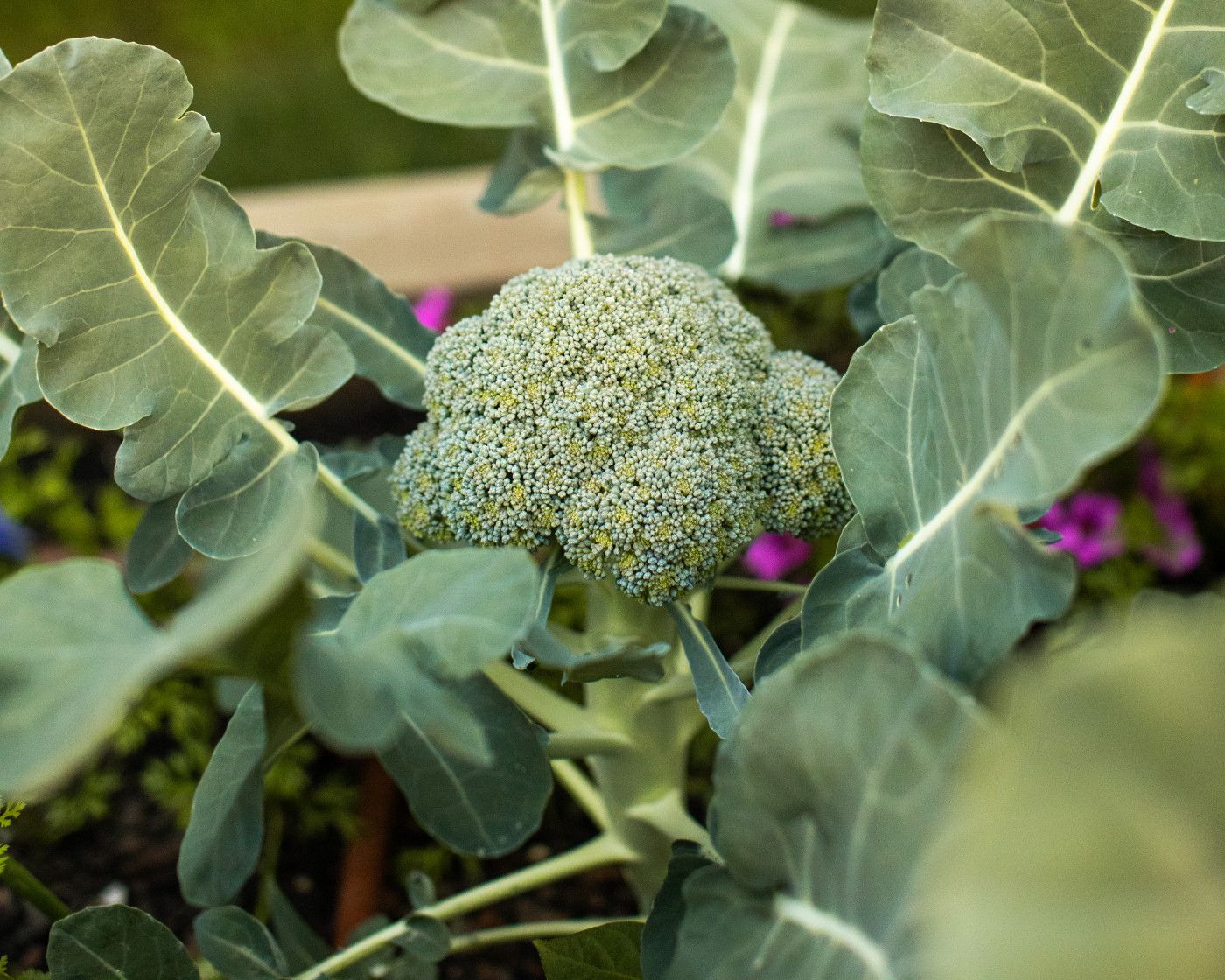
Broccoli Waltham 29 1/2oz Pack
Share
$2.75
In stock
Have questions?
Product details
Planting and Soil Needs
- Timing: Broccoli is a cool-season crop that thrives in temperatures between 65° and 75°F (18° and 24°C).
- Spring Crop: Start seeds indoors 6 to 8 weeks before your last expected frost date. Transplant seedlings into the garden 2 to 3 weeks before the last frost.
- Fall Crop: Start seeds indoors in mid-to-late summer (around July) and transplant them into the garden about 6 to 8 weeks before your first expected fall frost.
- Location: Choose a spot that receives full sun, ideally 6 to 8 hours of direct sunlight per day.
- Soil: Broccoli needs fertile, well-drained soil with a slightly acidic pH between 6.0 and 7.0. Amend the soil with several inches of rich organic matter, such as compost or well-rotted manure, before planting.
Care and Maintenance
- Watering: Provide consistent moisture with about 1 to 1.5 inches of water per week, especially during dry spells. Water deeply and aim for the base of the plant to avoid getting the developing heads wet, which can encourage rot.
- Fertilizing: Broccoli is a heavy feeder. Apply a balanced, all-purpose granular fertilizer (e.g., 5-10-10) before planting. Side-dress plants with a nitrogen-rich fertilizer 3 to 4 weeks after transplanting to encourage vigorous growth.
- Weed Control & Support: Use an organic mulch (e.g., finely ground leaves or bark) around plants to retain soil moisture and suppress weeds. Taller varieties may need staking to prevent them from blowing over once they become top-heavy.
Pest and Disease Management
- Pests: Common pests include cabbage loopers, imported cabbageworms, and aphids.
- Control: Monitor plants regularly and handpick caterpillars if the infestation is small. For larger infestations, use a biological pesticide containing Bacillus thuringiensis (Bt). Covering plants with insect-proof mesh or floating row covers immediately after planting can help prevent damage.
- Diseases: Be aware of black leg, black rot, and clubroot.
- Control: Use disease-free seeds or transplants and practice crop rotation, avoiding planting brassicas in the same spot for at least three years. Ensure good air circulation and avoid overhead watering to prevent fungal issues.
Harvesting
- Timing: Harvest the main head when it is fully developed but the buds are still tight, green, and firm, before any yellow flowers begin to show.
- Method: Cut the central stem about 6 inches below the head. Make a slanted cut to allow water to run off the remaining stalk.
- Side Shoots: After harvesting the main head, the plant will often produce smaller, edible side shoots from the leaf axils for several weeks if weather conditions remain favorable.
Broccoli Waltham 29 1/2oz Pack
Share
Powered by Lightspeed
Display prices in:USD