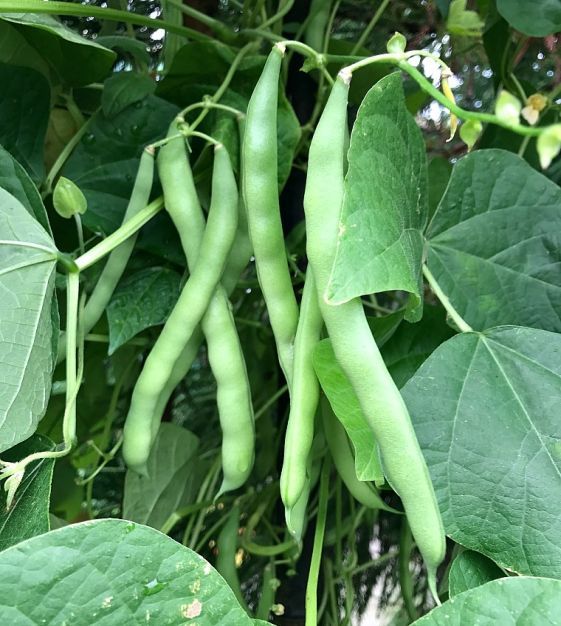
Blue Lake Stringless Bush Bean 1LB
Share
$9.99
In stock
Have questions?
Product details
Planting Instructions
- When to Plant: Sow seeds directly outdoors in spring, 1 to 2 weeks after your average last frost date, once the soil temperature is at least 60°F (15.5°C), and ideally between 70°F and 85°F.
- Location: Choose a spot that receives full sun (at least 6-8 hours a day).
- Soil: They grow best in well-drained, fertile soil with a pH between 5.8 and 6.5. Amend the soil with compost, phosphorus, and potassium, but avoid high-nitrogen fertilizers as beans fix their own nitrogen in the soil.
- Sowing:
- Depth: Plant seeds 1 to 1.5 inches deep.
- Spacing: Sow seeds 1 to 4 inches apart in rows spaced 18 to 36 inches apart.
- Thinning: Thin seedlings to 3 to 4 inches apart after they emerge.
Care and Maintenance
- Watering: Keep the soil consistently moist, especially during germination and flowering to prevent bloom drop. Provide about 1 inch of water per week, and water at the base of the plant in the morning to keep foliage dry and minimize disease.
- Fertilizing: Beans do not require much nitrogen, but a general-purpose fertilizer can be applied after plants begin to flower to encourage more production.
- Weeding: Cultivate shallowly to control weeds, as the bean plants have shallow, weak root systems.
- Succession Planting: For a continuous supply of beans throughout the season, sow new seeds every 7 to 14 days until about 80 days before your average first fall frost date.
- Pests and Diseases: This variety is resistant to common bean mosaic virus. Common issues include molds and bacterial blights, often preventable with proper watering and crop rotation.
Harvesting
- Maturity: Beans are typically ready for harvest in 53 to 60 days.
- How to Harvest: Pick the pods when they are firm, deep green, 5 to 6 inches long, and "snap" cleanly when bent, before the seeds inside bulge.
- Frequency: Harvest frequently and regularly to encourage the plants to continue producing new beans. Use two hands when picking to avoid damaging the plant.
- Storage: Fresh beans can be stored in the refrigerator for about a week, or they are excellent for canning and freezing.
Blue Lake Stringless Bush Bean 1LB
Share
Powered by Lightspeed
Display prices in:USD